Madagascar and Zanzibar announced new national protections for sharks and rays at the Our Ocean Conference in Mombasa. For the Western Indian Ocean, this is more than a diplomatic side note: the region links important habitats, coastal fisheries, international trade and growing marine tourism.
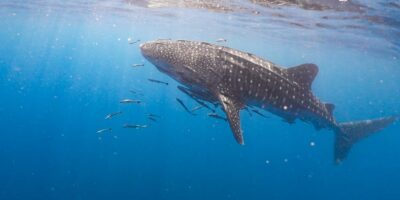
According to the Wildlife Conservation Society, Madagascar plans to give full national protection to 14 shark and ray species under its Wild Fauna Decree. The list includes the Critically Endangered oceanic whitetip shark (Carcharhinus longimanus), whale sharks (Rhincodon typus) and manta rays.
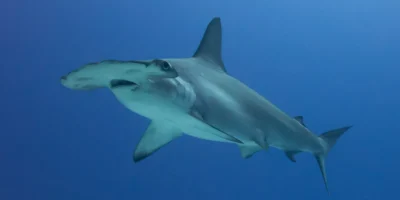
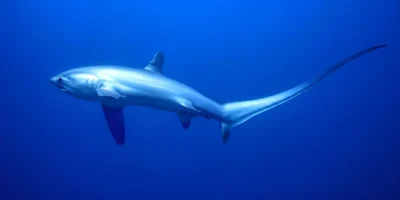
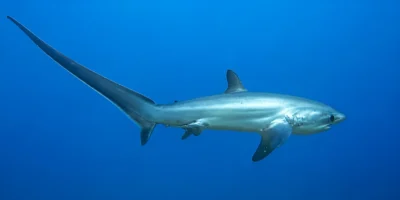
Zanzibar, meanwhile, announced that it will extend full protection in its coastal waters to 34 species. These include hammerhead sharks, thresher sharks and the endemic Zanzibar guitarfish. The announcements were made at a conference side event supported by the Shark Conservation Fund, the governments of Kenya, Tanzania and Madagascar, and WCS.
Why National Rules Matter Now
International agreements are important for sharks, but they are not enough on their own. CITES can regulate cross-border trade in fins, gill plates or meat. Whether an animal is caught, landed, sold or released in coastal waters is decided day to day through national laws, fisheries controls and local enforcement.
That is why this step is politically interesting. Madagascar and Zanzibar are turning international conservation momentum into national law. For species pressured by bycatch, targeted fishing and the fin trade, this translation from conference pledge to concrete regulation can be the most important part of the protection chain.
The Our Ocean Conference 2026 took place in Mombasa from June 16 to 18. As the first Our Ocean conference on African soil, it placed a special focus on coastal communities, biodiversity, fisheries and marine protection in East Africa.
Which Shark Species Are in Focus
The situation is especially clear for the oceanic whitetip shark. The species lives far offshore, but it is often caught in longline and tuna fisheries and was heavily affected by the international fin trade for decades. When a country fully protects this species nationally, the issue is not a single reef, but rules for pelagic fishing, landings and trade.
Whale sharks are both a conservation symbol and an economic factor in the Western Indian Ocean. In regions such as Madagascar, Mozambique and Tanzania, they play a visible role in responsible marine tourism. Full protection helps individual animals and also gives communities and operators more confidence that living megafauna can remain more valuable than dead animals over the long term.
Hammerheads and thresher sharks show another side of the problem. Both groups include species with slow reproduction, high vulnerability to bycatch and, in some cases, high value in the fin trade. Zanzibar’s explicit move to extend protection to these groups makes the measure especially relevant for coastal fisheries and controls.
What This Means for Shark Tourism
For divers, the Western Indian Ocean is not just a map of protected areas, but a connected habitat. Whale sharks, reef sharks, hammerheads, rays and other large fish move across political borders. Tourism can benefit when countries follow the same basic idea: living sharks and rays have ecological and economic value.
Good protection rules do not replace good management on the water. The decisive question will be whether the announced rules come with clear species lists, reporting duties, bycatch rules, port controls and realistic alternatives for affected fishers. Without enforcement, full protection remains a strong signal, but not yet effective population protection.
A Regional Signal
WCS places the announcements within a larger development: only a few years ago, global trade in many shark and ray species was barely regulated. Today, many more species are covered internationally, and states are beginning to write those obligations into national protection lists, fisheries rules and protected-area planning.
For Madagascar and Zanzibar, this is also a signal to the region. The Western Indian Ocean still has real chances for functioning shark and ray populations, but only if conservation policy does not stop at declarations of intent. The announced rules are therefore an important start. The next test begins in ports, on boats and inside the authorities that must turn protection promises into daily practice.