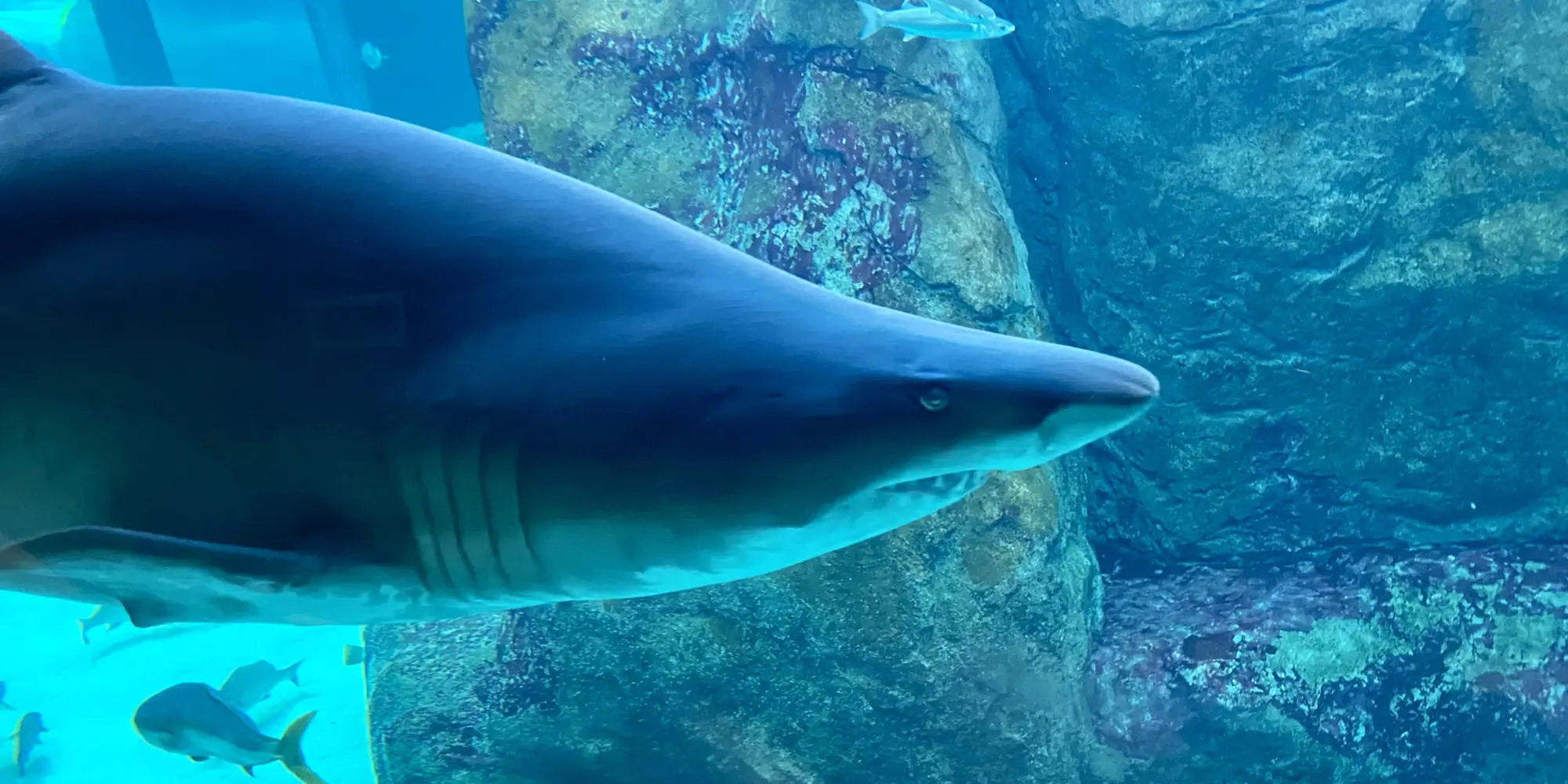
The Aquarium Finisterrae in A Coruña has lost its most famous shark: Cadena SER reported that the sand tiger shark Gastón died. For two decades he was the most striking figure in the Sala Nautilus and for many visitors the animal that they first remembered after a tour.
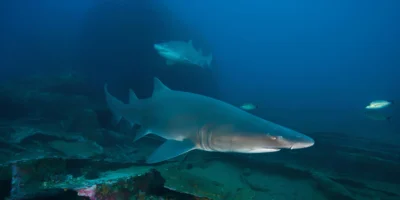
In Spanish reports, Gastón is listed as tiburón toro designated. For the German classification, the sand tiger shark is meant here, Carcharias taurus, not the bull shark, often referred to in English as the Bull Shark Carcharhinus leucas. This distinction is important because the names in different countries easily lead to incorrect species assignments.
Twenty years in Sala Nautilus
Gastón arrived in Galicia in February 2006. The shark originally came from the cool waters off South Africa and initially lived as a young animal in the Oceanópolis aquarium in Brest. When keeping other animals there became more difficult, his keepers looked for a new place.
Before moving into the large Nautilus tank, Gastón remained in quarantine for several weeks. The change was demanding: He came from a tropical tank and had to get used to the conditions of the Atlantic-style aquarium in A Coruña. After getting used to it, he ate normally again and was able to move into the show tank.
There he became the defining animal of the facility for years. According to Cadena SER, Gastón was around 30 years old. This is notable for public perception because the report puts the species’ usual life expectancy in the wild lower. For the aquarium, his death was not only a biological loss, but also a farewell to a piece of the city’s history.
Why an aquarium shark reaches people
The Aquarium Finisterrae sees itself as a public science center for marine biology, oceanography and environmental education. It was precisely in this context that Gastón had a special role: it made sharks visible to people who would otherwise probably never have encountered a large shark up close.
Stories like these are not about romanticizing aquarium keeping. Good aquarium work must always combine husbandry, animal welfare, research and education. At the same time, individual animals can change the perception of entire groups of species. A calm, well-explained sand tiger shark in the aquarium can do more to combat general fear of sharks than many abstract appeals.
sand tiger sharks seem more dangerous than they are
sand tiger sharks look dramatic with their protruding teeth and half-open mouth. For divers, however, in many regions they are among the impressive coastal sharks that can usually be observed quietly. Their appearance is a good example of how strongly our image of sharks is influenced by surface, symbolism and film expectations.
Gastón was therefore more than just a single show tank animal. Anyone who stood in front of the Sala Nautilus as a child did not see an anonymous monster shark, but a specific animal with a name, history and recognizable routine. It is precisely this personal level that can generate curiosity: How does a shark live, how does it move, what does it eat, and why do such animals need protection?
A farewell with educational value
The reaction in A Coruña shows how strongly a sea creature can become part of local memory. Gastón was a fixture for school classes, families and many regular visitors for years. His story combines the city museum, references to the Atlantic and the question of how people talk about large predators in the sea.
For shark diving, the case is therefore not a sensational report, but rather an occasion for clean classification. The death of a well-known aquarium shark is a reminder that species conservation doesn’t just start outside on the reef. It also begins where people learn to see sharks not as horror images, but as animals with biology, life history and ecological value.