


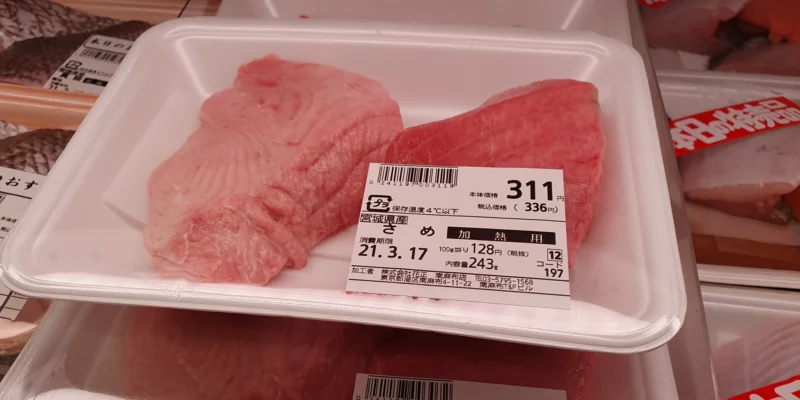
Mongabay published the special page “Shark Meat Nation” on 1 June 2026. It brings together an extensive investigation into Brazil’s barely visible shark meat market. The uncomfortable core of the reporting is this: Brazil is considered the world’s largest consumer and importer of shark meat, yet many people do not buy or eat it under the word “shark”.
In Brazil, packaging, menus and tenders often use the word “cação”. The term can refer to sharks or rays, but to many consumers it sounds like a neutral fish name. That lack of clarity is exactly what makes the market so problematic: it hides which species is actually being sold, whether it is threatened, and whether the catch or import was legal and sustainable.
Public demand stabilizes the market
The Portuguese report by ((o))eco and Mongabay describes how deeply shark meat appeared in public procurement. It cites 1,012 tenders for around 5,400 tonnes of shark meat worth at least R$112 million, spread across 542 municipalities and ten Brazilian states.
The meat described as “cação” was purchased for schools, daycare centers, preschools, prisons, police and hospital facilities, military bases and homeless shelters, among others. Shark conservation therefore becomes not only a question of fisheries or trade, but also a question of public responsibility.
We had already covered this aspect in the article “Shark meat on the menu: how Brazil’s authorities serve endangered species and endanger young children”. The new special page now places the investigation in a wider context and shows that “cação” is not just a local labeling problem, but part of an international trade with supply chains that are difficult to trace.
Health, transparency and species protection belong together
Shark meat can contain heavy metals such as mercury and arsenic. That is especially sensitive when children, patients or other groups are reached through public meals. At the same time, many shark and ray species are under global pressure from targeted fishing, bycatch, finning, poorly controlled supply chains and demand for cheap meat.
After the reporting, there were already responses. Hospital das Clínicas in São Paulo excluded “cação” from purchases because of heavy-metal risks. Rio de Janeiro also banned shark meat in most state schools. Such decisions show that better labeling and procurement rules can have immediate effects.
Why this matters for divers
People who encounter sharks underwater usually see only the charismatic side of these animals: curious, elegant and often surprisingly calm. The investigation is a reminder that pressure on sharks often arises where it is barely visible: in refrigerated counters, cafeterias, import statistics and catch-all names that turn threatened species into apparently ordinary fish.
Shark conservation therefore does not begin only with finning bans or the protection of well-known dive sites. It also begins with clear names, traceable supply chains, responsible public procurement and the simple question of whether consumers even know what they are eating.