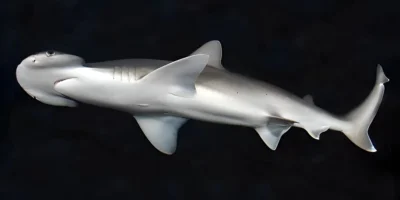
Researchers at Florida International University have introduced a groundbreaking method that allows rare and highly endangered hammerhead species to be detected from genetic traces in seawater – without observing or catching the animals directly.
The technique is based on detecting environmental DNA (eDNA): tiny fragments of genetic material that sharks leave in the water are collected and analysed. Even a drop of seawater can provide enough clues to determine whether a particular species is present in an area.
A breakthrough for rare coastal sharks
In particular, small hammerhead species such as the Scalloped bonnethead, the Scoophead and the Pacific bonnethead are listed by the IUCN as highly endangered and are extremely difficult for researchers to find. Overfishing and habitat loss have reduced their numbers so much that traditional sighting or capture methods have rarely been successful.
The eDNA method offers a turning point here: researchers can target coastal areas from Mexico to northern Peru and identify hotspots where protective measures are most urgently needed.
How the method works
The analysis works without interfering with the sharks’ habitat. Instead of casting nets or deploying dive teams, water samples are taken and analysed in the laboratory for genetic traces. These traces correspond to the genetic ‘fingerprint’ of the respective shark species and indicate that an animal has recently been present in the water.
This allows researchers to determine where sharks occur, how far their ranges extend, and which regions are particularly deserving of protection — without further burdening the animals in their already threatened habitat.
Importance for conservation and research
For the species concerned, which live in remote coastal waters and have hardly been seen for decades, this new method is a beacon of hope. In some regions, such as in the Uramba/Bahía Málaga National Natural Park in Colombia, scientists were able to detect genetic traces of several species using the new technique.
Furthermore, the eDNA approach opens up possibilities for other hard-to-detect marine animals: the water samples can be stored long-term and re-analysed later to learn even more about biodiversity and changes in marine ecosystems.