This article was published on 1 June 2026 and updated on 12 October 2026.
Update on 12 October 2026
On 9 October, the EcoTuba project caught its first tiger shark since scientific shark monitoring resumed in the Recife metropolitan area. According to Portal de Prefeitura, it was a young male measuring 1.45 metres. The capture took place around five kilometres off Boa Viagem in water approximately 15 metres deep.
The record adds to catches of other species reported in September. The Universidade Federal Rural de Pernambuco coordinates the programme, which aims to study shark movements and habitat use and provide data for incident prevention and marine conservation. This was the first tiger shark in the new research phase, not the species’ first occurrence off Recife. The capture neither links this animal to earlier attacks nor demonstrates a reduction in bite risk.
Update: 15 September 2026
Following the restart of Ecotuba, the first samples were collected off Piedade on September 12. According to Folha de Pernambuco, citing project coordinator Paulo Oliveira of the Universidade Federal Rural de Pernambuco, a 1.40-metre female blacknose shark (Carcharhinus acronotus, locally known as tubarão-flamengo) was caught at a depth of about 15 metres. The team measured and sexed the shark, attached an individual plastic identification tag and took blood and tissue samples. The shark was then released.
The tag provides individual identification; the report does not describe a satellite or acoustic transmitter. The samples are intended to help researchers understand shark biology and ecology. According to the source, this species is not among those associated with recorded shark bites on bathers in Pernambuco. Examining this animal therefore neither provides a new attribution for the earlier incident nor demonstrates a reduction in bite risk.
Update: 6 September 2026
Pernambuco resumed scientific shark monitoring in the Recife metropolitan area on 4 September after an eleven-year interruption. According to TV Guararapes, the Universidade Federal Rural de Pernambuco coordinates the Ecotuba project. Plans cover 24 months of research and tagging up to 50 sharks, with a budget of approximately 2.052 million reais.
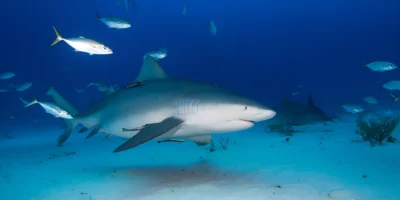
The pilot trips initially test the methods. The focus is on tiger and bull sharks, which are to undergo biological examinations before being tagged and released. The data should support incident prevention and marine conservation. Restarting the project does not yet demonstrate a reduction in bite risk; existing warnings and swimming restrictions remain relevant.
The original report
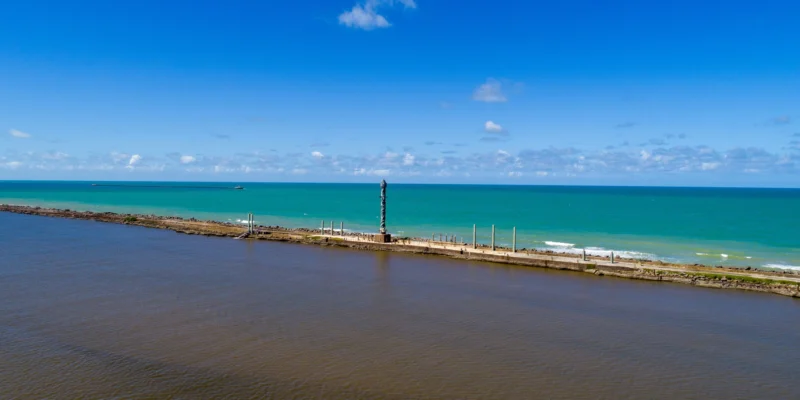
On 31 May 2026, a serious shark incident occurred in Piedade, Jaboatão dos Guararapes, in the greater Recife area of Pernambuco, Brazil. An 11-year-old boy was bitten by a shark, and according to UOL Notícias the injury led to the amputation of his left leg. The boy remains in serious condition at Hospital da Restauração.
The Comitê Estadual de Monitoramento de Incidentes com Tubarões (CEMIT) identified the animal from the bite marks as an approximately 2.5-meter bull shark (Carcharhinus leucas), locally known as “cabeça-chata”. The incident is another indication of the elevated risk along certain coastal stretches in the region.
Recife: a hotspot for shark incidents
According to local CEMIT data, Pernambuco has recorded 83 shark incidents since 1992. Notably, 24 of these incidents occurred at Praia de Piedade and another 24 at Praia de Boa Viagem. Together, these two beaches account for 57.8% of all registered incidents in the state.
In 2026, three incidents have already been reported in the region, including a fatal attack near Olinda in January. This concentration underlines why local warnings and behavior rules must be taken seriously.
The complex causes behind the conflicts
The incident in Piedade shows that some coastal sections are internationally known hotspots for human-shark conflict. Sharks are not “monsters”, but a combination of ecological factors and human impacts can create real risk. Factors such as coastal development, the construction of the Port of Suape and disturbed habitats influence shark movements and can bring them closer to inhabited areas.
For bathers, snorkelers and divers, respecting local warning signs and swimming bans is essential. The right behavior in shallow, turbid or current-rich zones can be decisive in avoiding dangerous situations. Risk communication must be taken seriously so that panic is avoided while human safety is still protected.