


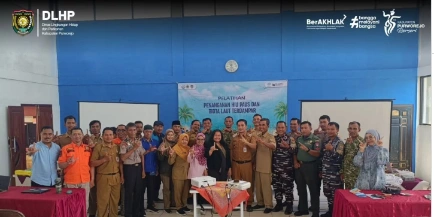
In the Indonesian regency of Purworejo, authorities and local groups have trained to respond to stranded whale sharks and other marine animals. The environment and fisheries agency DLHP organised the course with SeAlife Indonesia on 20 October 2026. It took place at the village hall in Keburuhan, Ngombol district, according to the official statement published on 29 October.
Authorities and coastal communities aim to improve coordination
Representatives of government departments, military and police personnel, and local communities attended. The focus was on knowledge, practical skills and readiness for strandings along Purworejo’s coast.
The agency emphasises coordination between the organisations involved. Appropriate handling is intended to protect the animals and reduce risks to responders and residents. Measures should be adapted to the situation on the ground.
According to the organisers, coastal communities also have an important role: promptly notifying the relevant authorities can speed up the response to a stranding.
Strandings on Java’s south coast highlight the need
The whale shark strandings in Cilacap illustrate how difficult such operations can be. Five cases were recorded there between mid-May and mid-July. No common cause had been established for that series; theories about pollutants or coastal conditions were no substitute for completed investigations.
The Purworejo course is a separate initiative to prepare for such situations. The statement describes neither a rescue during the course nor an assessment of later operations. It therefore does not yet show whether the training improves response procedures or stranded animals’ chances of survival.