


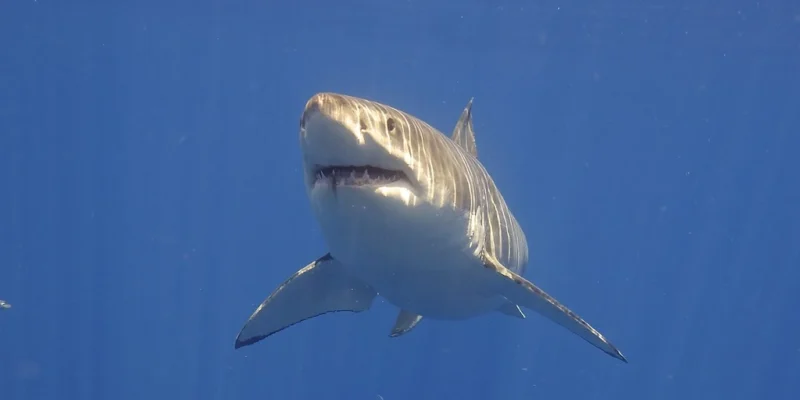
The government of New Zealand has approved a revised National Action Plan for the Conservation and Management of Sharks. According to an announcement by New Zealand’s Department of Conservation published on 14 August 2026, the plan is intended to improve the handling of bycatch, give greater consideration to threats unrelated to fishing and better incorporate the perspectives of tangata whenua into shark management.
Conservation Minister Tama Potaka names at least 113 shark species in New Zealand waters. In the communication the term is used broadly in the sense of the action plan and includes the cartilaginous fishes, which include not only true sharks but also rays and chimeras. Seven species are fully protected because of their protected status, and eleven others are managed through the quota management system because of their importance to traditional, recreational and commercial fisheries.
Avoiding bycatch and improving survival after capture
A central focus is avoiding catches of protected and non-targeted species. If capture cannot be prevented, proven handling and release methods should be used. The aim is to limit injuries and give the animals the greatest possible chance of survival after returning to the sea.
This is particularly relevant for sharks because many species grow slowly, reach sexual maturity late and produce few offspring. Even small additional mortality compared to short-lived fish species can therefore put a strain on populations over a long period of time. The plan is intended to jointly control protection and use that is classified as sustainable.
The plan looks beyond fishing
The revised version also identifies threats outside of fishing, according to the government: disease, pollution, marine debris, biological risks from introduced organisms, climate change and habitat degradation. This means that shark conservation is not just treated as a question of catch quantities and release.
For an island nation in the southwestern Pacific, this broader approach is crucial. Coastal development and sediment input can affect shallow nurseries, while warming and changing ocean conditions influence distribution, feeding and reproduction. However, the press release does not detail which specific measures the approved plan provides for this.
Tangata whenua and sharks as taonga
According to the government, the plan more closely integrates the perspectives and values of tangata whenua. Sharks are regarded as taonga—culturally significant and valued beings—and are considered through their relationships with other species and the wider marine environment. The aim is to bring mātauranga Māori more clearly into research and management.
This integration goes beyond a translation of Western management terms. It can influence which questions are asked, which habitats are prioritized and how changes in ecosystems are assessed. However, the communication does not mention any decision-making structures, specific participation rights or metrics for assessing this commitment.
Building on earlier measures
Potaka presents the plan as a continuation of existing measures. These include the ban on shark finning, i.e. cutting off the fins and then discarding the body, which has been in force since 2014, as well as improved guidelines for the safe handling of protected sharks and their release.
The government announcement is a policy summary, not the full text of the plan. It does not mention any additional budgets, new legal protected areas, binding reduction targets or deadlines. How ambitious the revision is in practice can only be judged by the published measures, responsibilities, data and verifiable results.