In the coastal waters of New England, there has been a noticeable increase in attacks by great white sharks on humans in recent years. Last year alone, two people fell victim to such incidents, one of them fatally. Many blame human influence on nature for this development. However, researchers see a different reason.
The role of seals
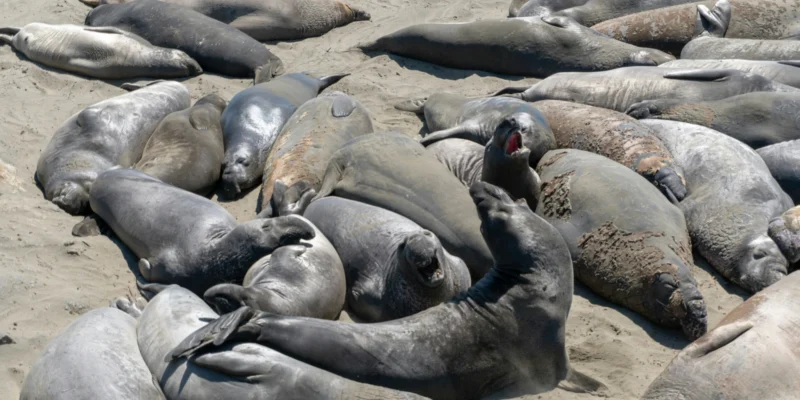
Since 1972, the hunting of seals in New England has been legally prohibited to protect the populations. The success of this measure is unmistakable: today, an estimated more than 50,000 animals live in the region. However, the growing number of seals is also attracting their biggest predators, great white sharks.
As seals are among the preferred prey of these sharks, their strong presence inevitably leads to a greater presence of sharks along the beaches. The result: encounters between swimmers and sharks are increasing, often with bloody consequences. Some residents of Cape Cod have already called for the hunting ban to be lifted.
Between protection and risk
However, the solution is not as simple as it sounds. Marine biologist Blake Chapman warns against a massive intervention in the ecosystem. “This is a risk we take, and such natural events happen from time to time,” she told the British newspaper Express. A renewed culling of seals or sharks would not provide a sustainable solution; both species would return in the medium term.
Instead, Chapman advocates for alternative measures such as consistent monitoring of the shark population and the use of modern deterrent technologies that can protect beachgoers without endangering the ecological balance.