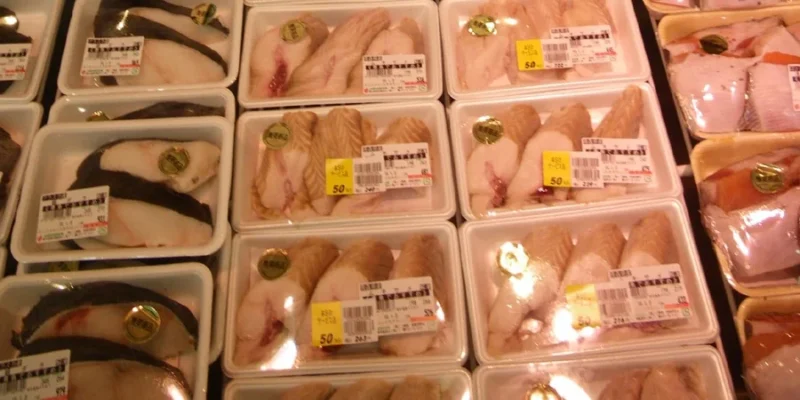
A new study reveals that shark meat sold in the USA often comes from endangered species – without consumers knowing. Researchers examined 29 products, including 19 fillets from supermarkets and fish markets in North Carolina, Florida, Georgia, and Washington D.C., as well as 10 dried meat products purchased online.
Hidden threat in the shopping basket
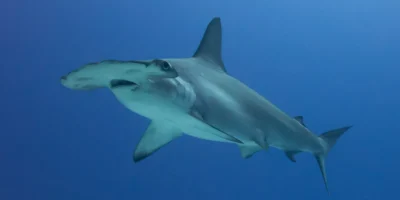
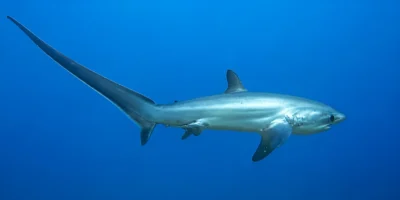
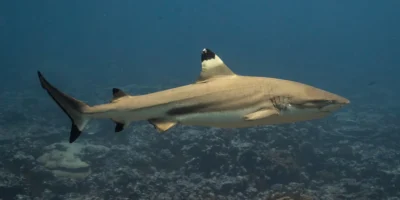
Using DNA barcoding, the scientists identified the species behind the products and compared the results with the labels. The outcome is alarming: 31 percent of the samples came from endangered or critically endangered sharks – including great hammerhead, scalloped hammerhead, smoothhound, and shortfin mako. Other samples contained species classified as vulnerable or near threatened, such as silky shark, lemon shark, thresher shark, or blacktip reef shark.
“We found critically endangered sharks, including the great hammerhead and scalloped hammerhead, in supermarkets, at fish markets, and online,” said study leader Savannah Ryburn from the University of North Carolina in an interview with CBS News.
Particularly problematic: 93 percent of the products were only labelled with the non-specific term “shark.” Of the few products with a precise species designation, one was mislabelled.
Danger to humans and animals
In addition to the ecological risks, consuming mislabelled shark meat also poses health hazards. Species such as the scalloped hammerhead or great hammerhead are known for high concentrations of mercury, methylmercury, and arsenic. These substances can cause neurological and developmental damage.
The study authors therefore call for mandatory species-level labelling. Ryburn also advises avoiding products without traceable origins: “If shark meat does not contribute to food security, consumers should avoid products without clear labelling or traceability.”