


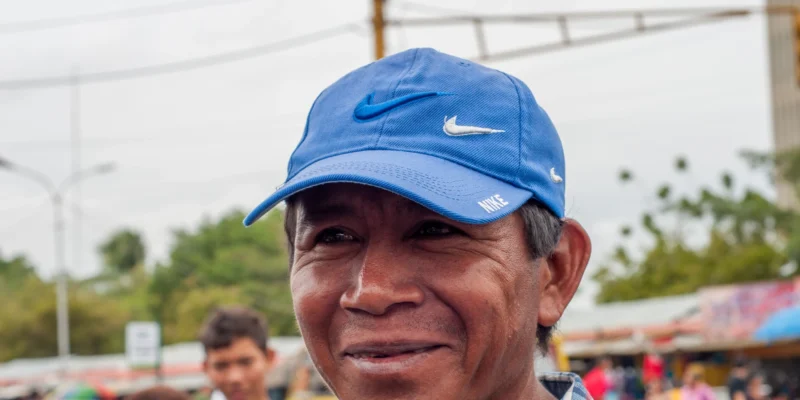
On the arid northern edge of Colombia, shark conservation begins not in a laboratory but on the beach. In Punta Gallinas, Indigenous Wayuu fishers measure landed sharks, identify species and preserve small tissue samples for research. According to Mongabay, the community is working with marine biologists from the Proyecto Puyuii initiative.
The project operates amid difficult trade-offs. Colombia banned targeted fishing for sharks and rays in 2021. Under rules revised in 2024, unintended bycatch of 15 species may be used under certain conditions. For remote Wayuu communities, shark meat is both a traditional food and an important source of protein in a region affected by malnutrition.
From targeted shark fishing to research
Wilfrido Arends, known in Punta Gallinas as “Caracas”, began fishing as a child. Like other fishers, he once used longlines specifically for sharks. Meat and fins were sometimes exchanged for money, fuel or fishing gear. He says the local trade had already been declining before the nationwide ban and largely disappeared from Punta Gallinas in 2021.
Today, Arends coordinates part of the data collection for Proyecto Puyuii. Every landed shark is measured, dated and, where possible, identified to species; fin samples are kept for later genetic analysis. For the first time, this collaboration is intended to provide a more reliable picture of which species occur in La Guajira and how often they appear in coastal catches.
Larger mesh and live sharks returned to the sea
Many fishers in Punta Gallinas have changed their methods. They no longer use longlines aimed specifically at sharks, employ larger net mesh and set nets closer to shore to catch fewer juveniles. Sharks caught alive are to be released as carefully as possible. Community members say about 17 of an estimated 20 boats no longer target sharks.
These measures matter biologically because many shark species grow slowly, mature late and produce few young. When animals are caught before reproducing for the first time, the population loses not only one individual but all of its future offspring. Larger mesh and careful release can reduce this pressure, but they cannot replace population data.
Forty-three tiger shark pups survived their mother’s capture
An incident in May 2026 showed how practical release training can help. Fishers from the neighbouring community of Bahía Hondita caught a large pregnant tiger shark (Galeocerdo cuvier). After the mother was killed, they found live pups. Juan Manuel Uriana, head of the local fishers’ association, and other helpers returned 43 pups to the sea.
The rescue is a positive sign, but it does not reverse the loss of the adult female. Large, reproductively active animals are especially valuable to the stability of a population. The case therefore illustrates both a growing willingness to protect sharks and a continuing dependence on fishing.
Species richness known, populations poorly understood
About 90 shark and ray species have been recorded in the Colombian Caribbean from historical and recent data. Experts still consider the inventory incomplete. Around Punta Gallinas, fishers report species including the silky shark (Carcharhinus falciformis), tiger shark, blacknose shark (Carcharhinus acronotus) and the critically endangered smalleye hammerhead (Sphyrna tudes).
A species list alone does not reveal the size of individual populations or how much fishing pressure they can withstand. Repeated data on species, size, sex, catch location and fishing method are needed. The standardised records kept by Wayuu fishers are intended to close precisely this gap. They could later inform area-based conservation measures or species-specific rules.
Conservation cannot be set against food security
In Punta Gallinas, shark meat is traditionally prepared as Salpicón. Oil and liver are also used. Families sometimes sell what they do not eat to local lodgings and restaurants. According to the fishers’ association, many of the roughly 120 fishers in Bahía Hondita still rely on hooks and longlines to catch sharks and rays.
Economic hardship sharpens the conflict. After the rains failed in 2025, families lost large parts of their goat herds, another important source of food and income. A blanket fishing ban without accessible alternatives shifts the cost of conservation onto people who already have few options.
Tourism as an alternative — but not a quick solution
Proyecto Puyuii therefore also promotes community-based tourism. Visitors are encouraged to stay in Wayuu-run accommodation and use local boats and guides, keeping income in the region. Some former shark fishers already earn more from taking travellers out, in less time than they spent fishing at sea. Others say they need direct compensation before they can stop fishing for sharks.
The transition along La Guajira’s Caribbean coast is therefore neither complete nor free of contradictions. It succeeds where local knowledge, research and viable incomes come together. The Wayuu of Punta Gallinas show how former shark fishers can become data collectors and conservationists—without ignoring that conservation is also a social challenge in a region affected by hunger and water scarcity.

