


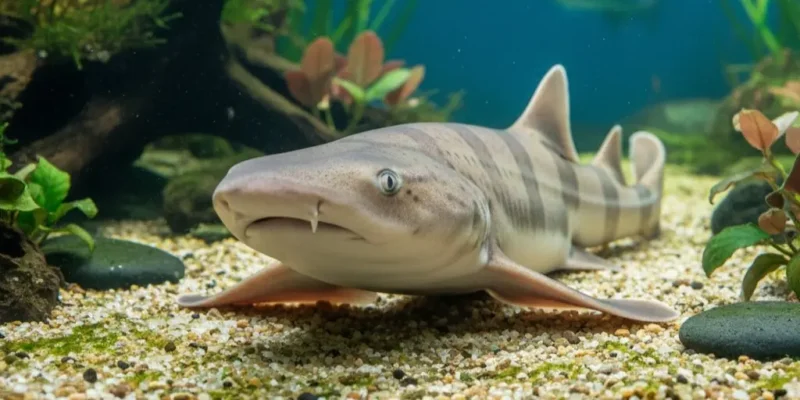
The Oceanic Aquarium in Balneário Camboriú (SC) has recently introduced three bamboo shark pups, a species known for its “walking” style on the seabed. The animals come from breeding in an aquarium in São Paulo and are intended to attract visitors.
The brown-banded bamboo shark (Chiloscyllium punctatum), which grows up to 1.20 metres, lives in coral reefs of the Indian and Pacific Oceans. According to the IUCN Red List, it is classified as potentially endangered – primarily due to habitat loss and overfishing. In the wild, these animals play a crucial role in maintaining the balance of ecosystems.
Criticism of breeding and display captivity
As impressive as the “walking” sharks may appear to visitors, experts warn that the presentation of exotic species in display aquariums can quickly obscure the real core of the threat. Instead of genuine conservation measures in their regions of origin, the focus is on tourist attractions. The constant display of young animals is also viewed critically, as it can easily create the impression that populations are secure, even though the reality in the ocean is quite different.
You are currently viewing a placeholder content from Facebook. To access the actual content, click the button below. Please note that doing so will share data with third-party providers.
More InformationCampaign against global shark slaughter
A positive highlight is the campaign “Save the Sharks and Rays”, launched by the Oceanic Aquarium. It draws attention to the massive decline in shark populations: Around 100 million sharks are killed every year, mostly through illegal fishing and the fin trade. Over the past 50 years, populations worldwide have declined by more than 70 percent.
Conclusion
The birth of the young sharks is a fascinating event, but it should not distract from the fact that bamboo sharks in the wild are under severe pressure. What matters is not how many people stand in awe in front of the aquarium glass, but whether we succeed in stopping the destruction of coral reefs, implementing sustainable fishing practices, and strengthening marine protected areas.