


Raja Ampat epaulette shark - Hemiscyllium freycineti
Body structure, features & anatomy
Identification
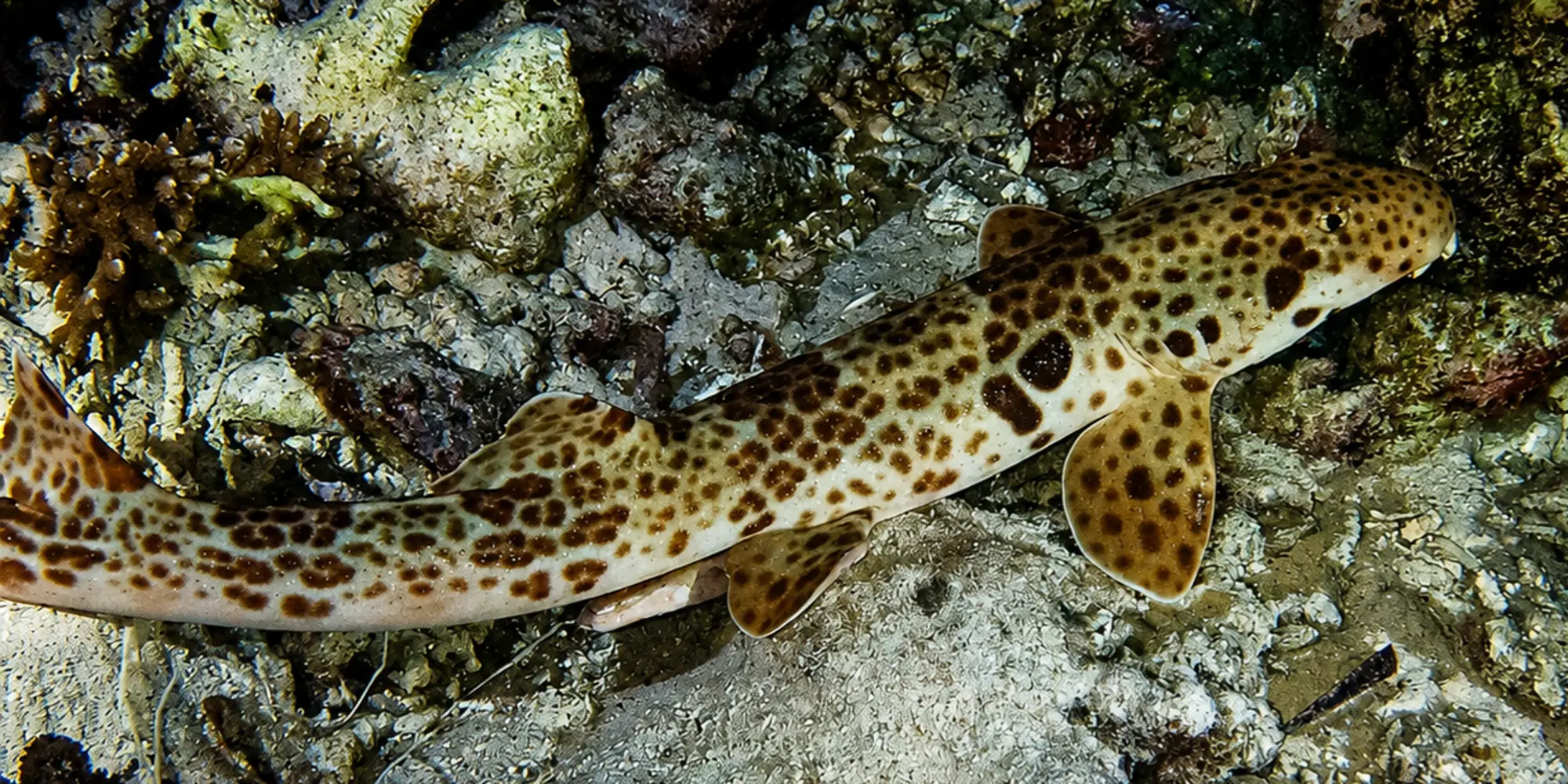
The Raja Ampat epaulette shark Hemiscyllium freycineti is a small elongated bamboo shark with a broad head, strong paired fins and a body built for life close to the seabed. FishBase gives a maximum length of about 72 cm and lists the species as a tropical, reef-associated marine shark.
Identification depends strongly on pattern. The shark has many pale and dark spots, a comparatively small black mark behind the gills, and lacks the large sharply defined ocellus seen in some related epaulette sharks. Older photographs and illustrations have sometimes mixed it with similar species.
Distribution & habitat
Endemic to North Maluku
Today the species is especially linked with Raja Ampat and shallow coastal habitats of West Papua. Frontiers in Fish Science treats it as a Raja Ampat endemic of shallow coastal waters; older maps and databases use a broader western New Guinea frame and include Waigeo, Irian Jaya and Papua New Guinea.
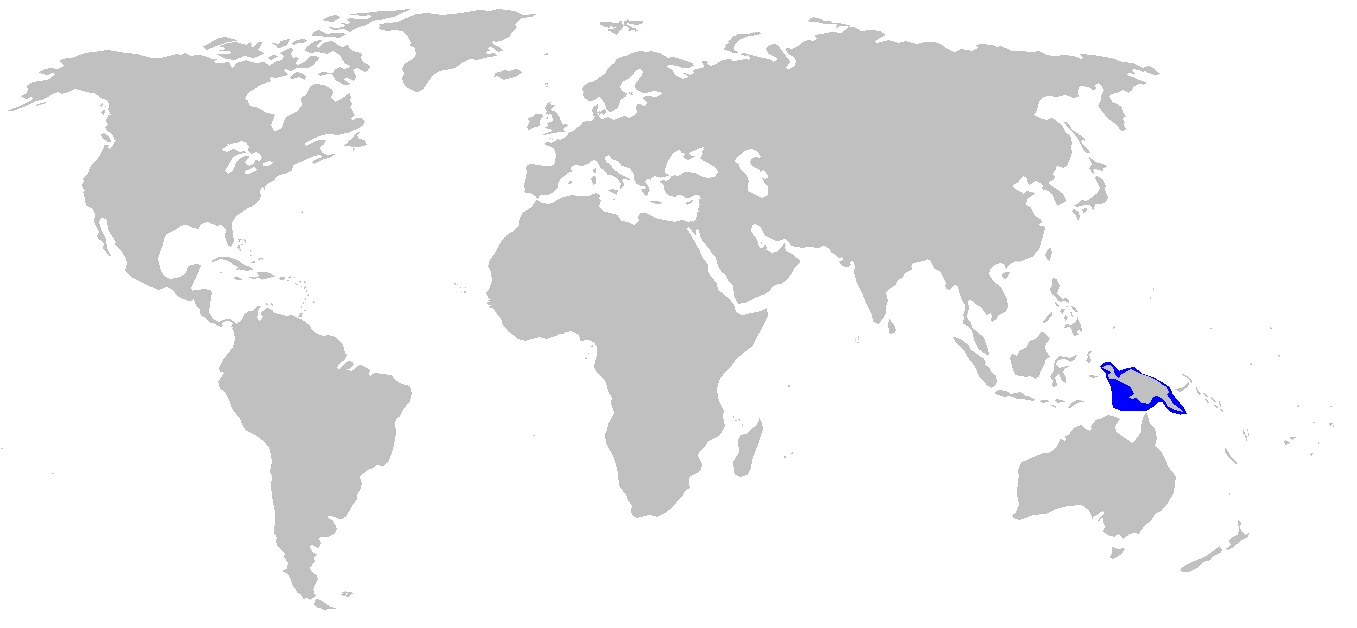
Its range should therefore be read with care. Reliable encounters are centred on very shallow reef, seagrass and mangrove habitats, usually only a few metres deep. For a walking, site-attached shark, even deeper channels can act as real barriers to dispersal.
Life history, diet & reproduction
Nocturnal reef walker
The species is mainly nocturnal. By day it rests in crevices, under corals or in structured shallow habitat; at night it searches reef flats, sand, seagrass and mangrove edges for small bottom-living prey. Shark-References summarizes it as oviparous, with paired eggs and yolk-fed embryos.
Like other epaulette sharks, Hemiscyllium freycineti can swim but also moves across the substrate with its pectoral and pelvic fins. That slow controlled walking fits tide pools, shallow reef flats and nocturnal foraging for invertebrates.
Threats & protection status
Small range, high responsibility
The IUCN Red List lists Hemiscyllium freycineti as Near Threatened. The main concern is its small coastal range: local take, reef damage, coastal development, tourism pressure and marine heatwaves can all affect a highly site-attached shallow-water shark.
Indonesia has granted legal protection to this and other epaulette sharks. The practical challenge is local habitat and fisheries management in Raja Ampat, because individual sharks use small home areas and particular reef or seagrass patches can matter for population persistence.
Raja Ampat epaulette shark & humans
Encounters and conduct
The Raja Ampat epaulette shark is harmless to people. Sharks and Rays describes it as a nocturnal species that can be watched on night dives when divers do not approach too closely. It is a small bottom-living shark, not a conflict species.
Good encounters are quiet ones: keep distance, move slowly and avoid prolonged dazzling or boxing the animal in. Anyone documenting it should protect the habitat first by staying off corals, not chasing sharks into holes and following local protection rules.
Profile
- First described:
- Max. size:
- Depth:
- Max. age:
- Max. weight:
- Water type:
- IUCN Status:
Taxonomy
- Kingdom:
- Phylum:
- Subphylum:
- Infraphylum:
- Parvphylum:
- Class:
- Subclass:
- Superorder:
- Order:
- Family:
- Genus:

Newsletter
Shark Alert in Your Inbox