


This article was published on 3 September 2026 and updated on 5 September 2026.
A 40-year-old diver was bitten by a shark on 1 September 2026 about 30 miles off Pensacola, Florida. A new report says he is recovering after surgery; the species has not been confirmed by authorities.
Update of 5 September 2026
In a FOX10 interview published on 4 September, captain Jacob Johnson provided new details. He said the diver was bitten on both forearms and could not climb aboard unaided. Johnson removed his equipment and helped him onto the boat. The station reports that the man has undergone surgery and doctors expect a full recovery. He wishes to remain anonymous.
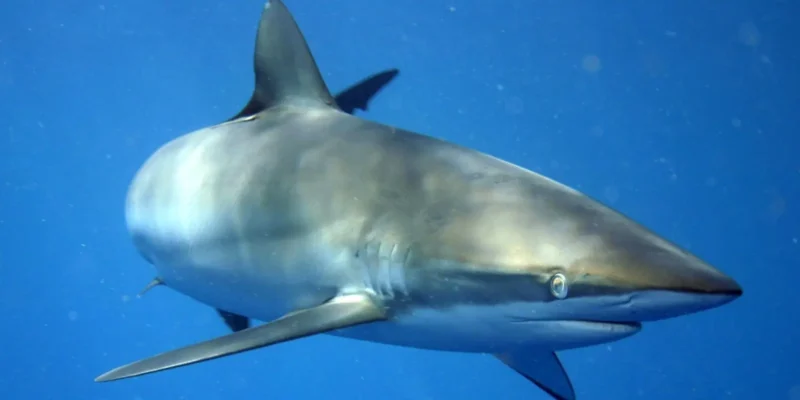
The group was spearfishing. Johnson identified the animal as a bull shark. This is an eyewitness identification, not a species determination confirmed by the Coast Guard. The precise circumstances immediately before the injurious bite and any possible provocation remain unclear.
Johnson also described a shark biting his speargun during an earlier dive that day, without injuring anyone. That direct contact with equipment was separate from the later bites to his friend’s forearms.
Rescue by boat, Coast Guard and helicopter
According to Pensacola News Journal, the Coast Guard received the emergency call at about 4:53 p.m. on 1 September. Station Pensacola dispatched a 45-foot response boat with three medically trained rescuers. The initial television report covered the rescue details known at the time.
The boats met about 5.5 miles south of Pensacola Pass. Rescuers transferred the injured man and took him to Naval Air Station Pensacola, where a helicopter flew him to Sacred Heart Hospital. WEAR also reported these Coast Guard details. Despite blood loss, the man remained conscious during the rescue.