


A 29-year-old Australian tourist was bitten in the leg by a shark on Thursday, 11 June 2026, while snorkeling off Santa Fe Island in the Galapagos archipelago.
El Universo reported, citing the Ecuadorian Navy, that the woman was injured during tourist activities near Santa Fe. Emergency personnel evacuated her with the support of a tour boat to Puerto Ayora on Santa Cruz, where further medical care was coordinated.
Snorkeling suspended in the bay
La Hora reported that the Galapagos National Park Directorate immediately and temporarily suspended surface diving, meaning snorkeling, in Santa Fe Bay around the anchorage area. The measure was ordered as a precaution while technical and biological assessments continue.
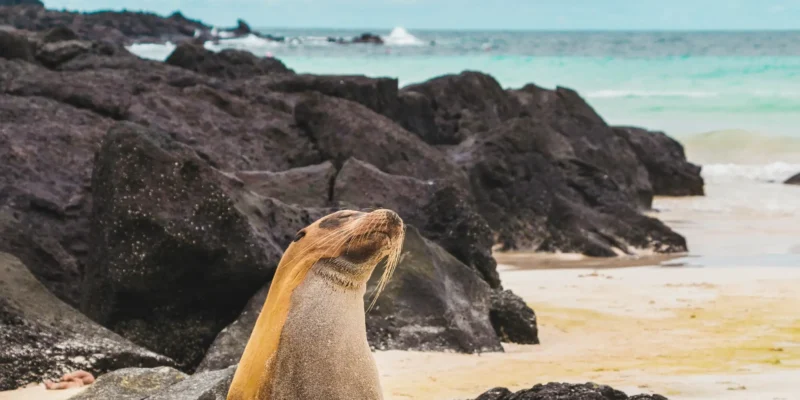
The park was not reacting only to the tourist’s injury. According to the reports, an adult male sea lion with fresh and severe bite marks was also seen in the bay. For visitors and operators, the pause is intended to show whether conditions in this usually popular snorkeling area have returned to normal.
Why the authorities are looking closer
Preliminary information from local operators suggests that fish may have been processed illegally inside the protected bay. Fish remains or viscera in the water can attract sharks and alter their behaviour in an area used by tourists. Authorities are still examining that possibility.
For the injured tourist, the incident is therefore not described as a direct interaction with sharks: she was snorkeling in the water, not feeding, fishing for or touching an animal. The shark species has not been confirmed in the reports available so far.
Santa Fe remains a special natural area
Santa Fe lies southeast of Santa Cruz and is one of the classic day-trip destinations in the central Galapagos. The sheltered bay is known for clear water, sea lions, rays, turtles and reef fish. Sharks are part of the islands’ natural ecosystem, but serious bite incidents involving people remain rare in the Galapagos.
Until the closure is lifted, travelers should follow current instructions from Galapagos National Park and their tour operators. The important point is not panic, but a calm adjustment to local conditions: do not enter closed areas, do not put fish remains into the water and keep distance from wildlife.