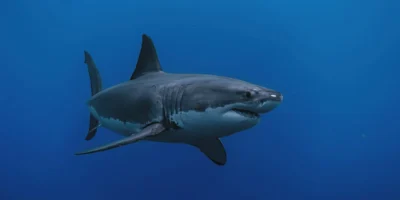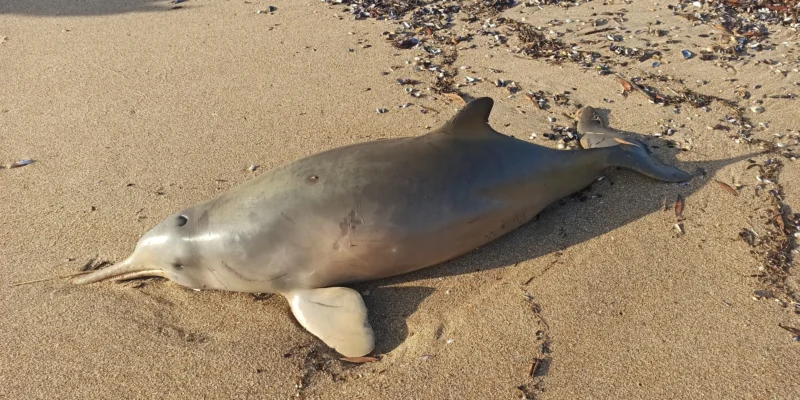
A stranded franciscana dolphin provides evidence of predation by a white shark off southern Brazil. A study describes the case as the first forensic record of this predator–prey relationship in the south-western Atlantic.
The animal was found on the coast of Rio Grande do Sul state. BBC Wildlife covered the research on 23 September 2026; the study had already been published on 5 August. The report does not describe a directly observed hunt.
Tooth marks identify the predator
The team compared the shape, orientation and spacing of the bite marks. From these, they inferred a shark approximately 3.6 to 3.8 metres long and weighing 400 to 490 kilograms. These figures are estimates, not measurements taken from the animal.
The dolphin was approximately 1.72 metres long. Its state of decomposition indicated that it had died three to five days before being found.
Bleeding points to an attack while the dolphin was alive
According to the researchers, signs of bleeding on the dorsal fin indicate that the dolphin was still alive during at least one bite. In their assessment, the injury pattern is consistent with predation below the water’s surface.
The finding adds to knowledge of white shark feeding off Brazil. This single case cannot establish how often they prey on franciscana dolphins.