


Atlantic sharpnose shark - Rhizoprionodon terraenovae
Body structure, features & anatomy
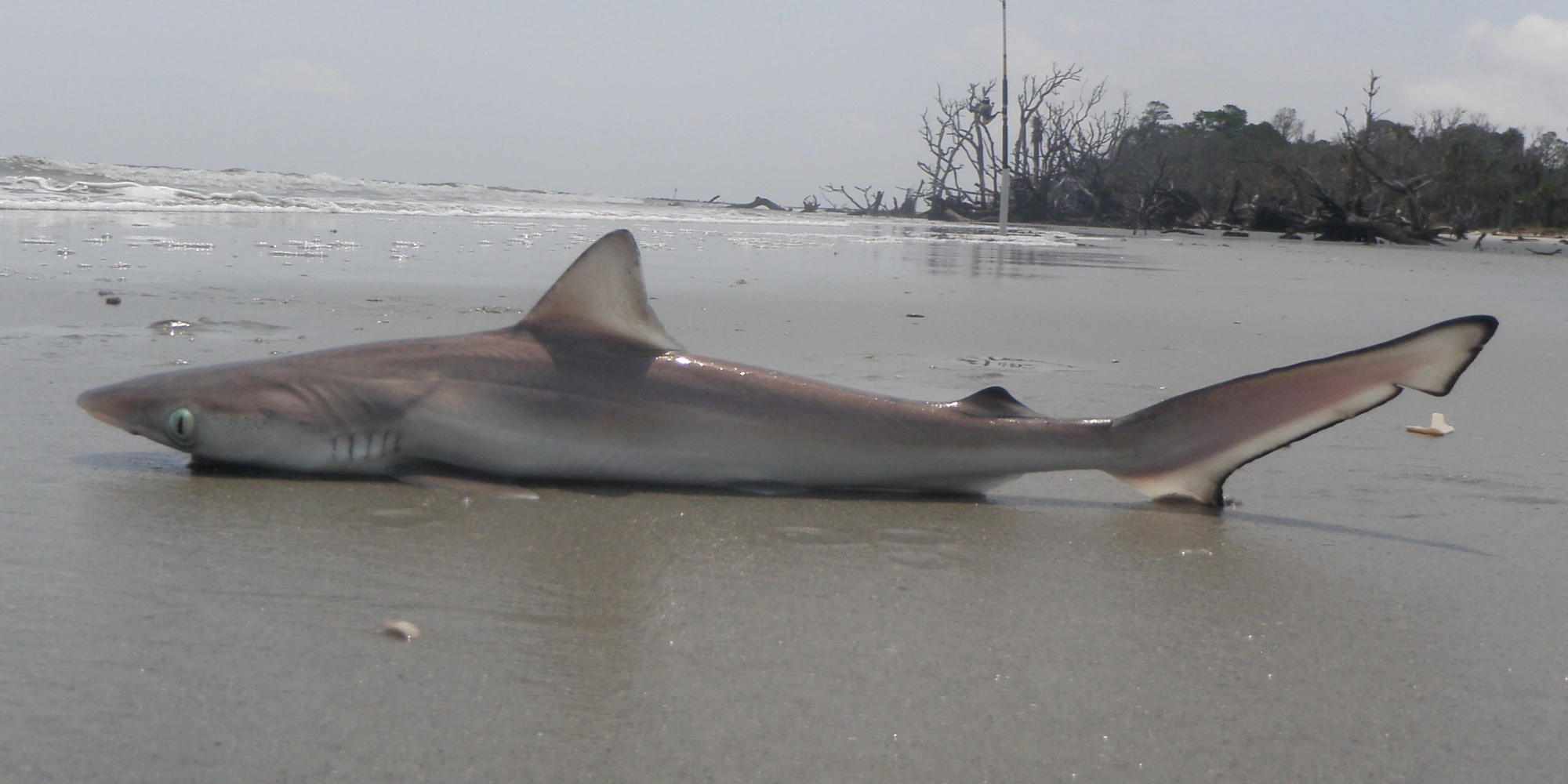
The Atlantic sharpnose shark has a slim, streamlined body, a long pointed snout and relatively large eyes. The back is gray to gray-brown, the underside is white. Adults often have small white spots on the flanks and pale posterior edges on the pectoral fins; In young animals, however, the edges of the dorsal and caudal fins can appear dark.
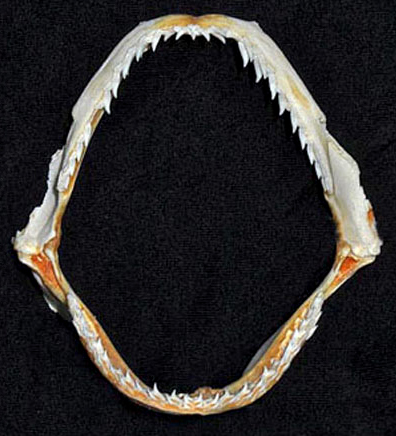
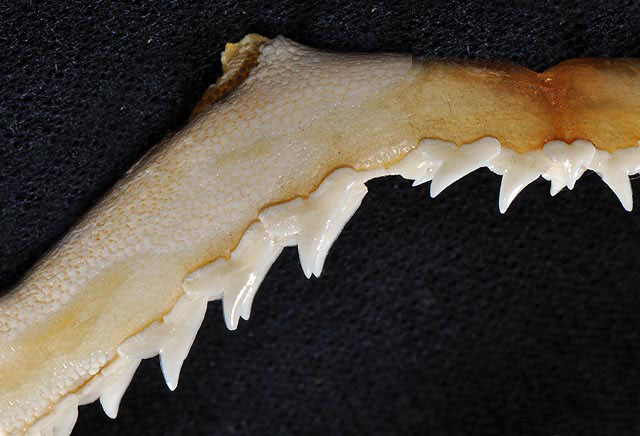
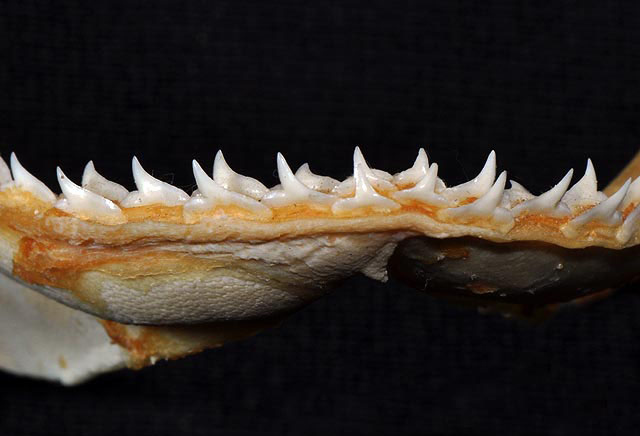
The species description of the Smithsonian Tropical Research Institute shows the jaws and teeth in detail. There are 24 to 25 rows of triangular, slanted teeth in the upper and lower jaws. Their outer blades are slightly notched, allowing them to safely grasp small fish and invertebrate prey.
Rows of teeth and fine white markings
A clear cutaneous ridge is missing between the two dorsal fins. The first dorsal fin begins approximately above or just behind the free rear ends of the pectoral fins. The anal fin lies well in front of the second dorsal fin, and the lower lobe of the caudal fin is well developed. This combination helps differentiate it from similarly small Requiem Sharks.
The cutaneous teeth usually have three to five low longitudinal keels. Large females reach a total length of around 110 centimeters, most animals remain smaller. The proportions of the snout, the light spots of adults and the position of the fins are more important for a reliable determination than body size alone.
Distribution & habitat
The northern core range lies in the western Atlantic Ocean. It extends from Canada along the east coast of the USA through the Gulf of Mexico to Mexico. The species is particularly common between Virginia and Texas. FishBase and the Florida Museum also list it along the coast of Brazil in the southwestern Atlantic.
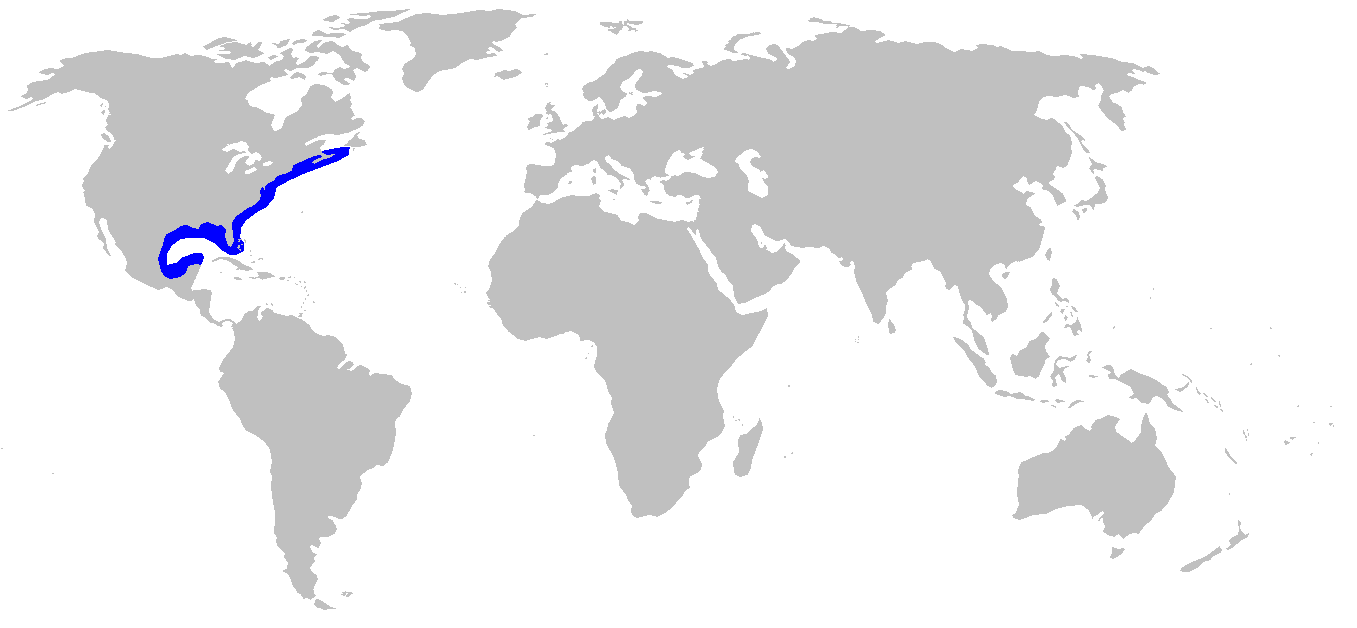
The Florida Museum describes a warm temperate to tropical coastal shark. Most evidence comes from a depth of less than ten meters, but finds up to around 280 meters have been documented. Bays, harbors, surf zones and river mouths with sandy or mud bottoms are among the typical habitats.
Shallow coastal waters and seasonal migration
Brackish water is used regularly, but real fresh water is not. Over the course of the year, the animals relocate: During the warm months, many move closer to the coast and to the north; when temperatures drop, they move to more southerly or deeper areas. Groups can be separated according to size and gender.
The map shows the well-documented northern distribution area, but does not show the information for Brazil given by FishBase and the Florida Museum. It should not be confused with the similar distribution map of the Caribbean sharpnose shark, as this belongs to a different species. Furthermore, distribution maps do not show current frequency and can only show seasonal migrations in a simplified manner.
Life history, diet & reproduction
Atlantic sharpnose sharks often swim in loose groups over sandy or muddy bottoms. They hunt small bony fish such as menhaden, spikefish, wrasse, trevally and toadfish. Shrimp, crabs, worms, squid and other mollusks complete the diet.
According to NOAA Fisheries, mating near the coast mainly takes place between mid-May and mid-July. Afterwards, many animals migrate to deeper water. The embryos develop a placental connection to the mother; live young are born after about ten to eleven months.
Early maturity and annual reproduction
The birth usually falls in June. On average, a litter contains approximately four young, which are approximately 29 to 37 centimeters long at birth. Females can reproduce annually. This sequence, which is relatively quick for sharks, helps the species to compensate for fishing losses better than large sharks that mature slowly.
Males and females usually become sexually mature after around one to three years; There are differences between the Atlantic and Gulf stocks. The highest observed age is approximately 18 years. Despite early maturity, persistently high mortality remains problematic, particularly when large numbers of pregnant females or young are captured.
Threats & conservation status
The IUCN Red List rates the species globally as Least Concern. Its comparatively early sexual maturity, regular reproduction and wide distribution make it more resilient than many larger coastal sharks. However, the category does not mean that every regional population will remain stable without effective management.
The most important pressure comes from fishing. The animals are deliberately caught with longlines and nets and also end up as bycatch in shrimp and bottom trawl nets. Because they often live in shallow coastal waters, nurseries, foraging and migration routes overlap heavily with intensive fishing areas.
Frequently fished, Least Concern globally
Protection includes scientifically based catch limits, minimum sizes, limited fishing times, precise species identification and complete recording of landings and discards. Protected areas in bays and river mouths can particularly protect young animals and pregnant females from additional mortality.
Coastal development, pollution and the loss of shallow estuarine areas are also degrading important habitats. For the assessment, it is therefore not enough to just look at the global status: separate data for the western Atlantic and the Gulf of Mexico as well as the development of local catch rates are crucial.
Atlantic sharpnose shark & humans
The Atlantic sharpnose shark is not considered a dangerous species for swimmers and divers. It is small, feeds on much smaller prey and usually avoids people. Rare bite reports are predominantly associated with provoked situations or the handling of trapped animals and are not serious.
FishBase lists the species as harmless to humans, but used for fishing. The meat is marketed fresh, dried or salted; Smaller animals are also regionally used as bait. The greatest contact with people therefore occurs on hooks, in nets or when sorting a catch.
Small coastal shark with no relevant danger
The photo in the cover photo shows a specimen lying on the beach at Hunting Island in South Carolina. It is not an underwater photograph and should not be read as a typical encounter of a free-swimming animal. Whether a stranded or captured shark is still alive should not be hastily deduced from a single photo.
If you observe a small shark in the surf zone, keep your distance and do not block the path into the open water. Caught animals should only be released by experienced people with suitable tools and released as quickly as possible. Sighting photos with location, date and size information can support research and species identification.
Profile
- First described:
- Max. size:
- Depth:
- Max. age:
- Max. weight:
- Water type:
- IUCN Status:
Taxonomy
- Kingdom:
- Phylum:
- Subphylum:
- Infraphylum:
- Parvphylum:
- Class:
- Subclass:
- Superorder:
- Order:
- Family:
- Genus:

Newsletter
Shark Alert in Your Inbox