Modern coastal cities do not just bring people light into the night — this artificial light also reaches far into shallow marine areas and alters the natural darkness that has shaped marine organisms over millions of years. What appears to us as practical lighting can represent a profound disruption of biological processes for sea animals.
Light pollution along the sea’s edge
Artificial light from streetlights, buildings, harbour facilities and coastal settlements shines far beyond the mainland into coastal waters and brightens the sea surface at night. This light pollution, a globally widespread phenomenon, alters the natural day–night cycle in habitats that once became dark after sunset.
First measurable effects in sharks
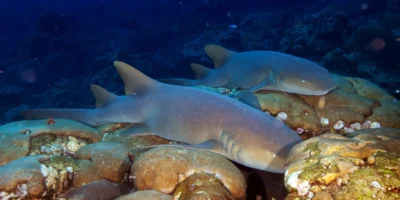
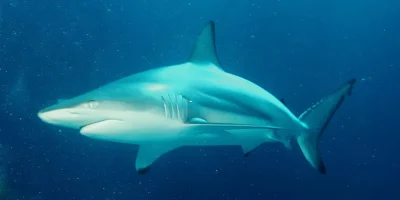
Researchers from the University of Miami’s Shark Research and Conservation Program have, for the first time, investigated hormonal responses in wild sharks to artificial light. In doing so, the hormone melatonin was measured in the blood of two species — the sedentary Atlantic nurse shark and the highly mobile blacktip shark. Melatonin plays a central role in regulating internal biological rhythms and naturally rises at night.
Differences between species
The study showed that sharks that consistently live in strongly lit coastal areas had significantly lower nighttime melatonin levels than those in darker waters. This was particularly the case for relatively sedentary species such as the nurse shark. Highly mobile species such as blacktip sharks, which regularly switch between bright and darker areas, showed no comparable suppression of the hormone.
What does this mean for sharks?
Permanently reduced melatonin levels can have far-reaching consequences. This hormone not only regulates the sleep-wake cycle, but also influences metabolic processes, activity patterns and possibly hunting behaviour too. While disruptions in humans are linked to sleep and metabolic problems, little is yet known about the long-term consequences for sharks.
Possible ecological impacts
In many marine food chains, sharks occupy a central position as apex predators. Hormonal changes could affect not only their behaviour and health, but in the long term also have impacts on the structure of entire ecosystems. The finding suggests that artificial light should be regarded as an environmental stressor that has so far been underestimated – similarly serious as physical pollution or habitat loss.
State of research and outlook
The study provides empirical data for the first time on the effect of urban light pollution on sharks’ internal clocks. Scientists emphasise the need for further research to better understand the ecological consequences and to develop possible protection strategies for coastal habitats