


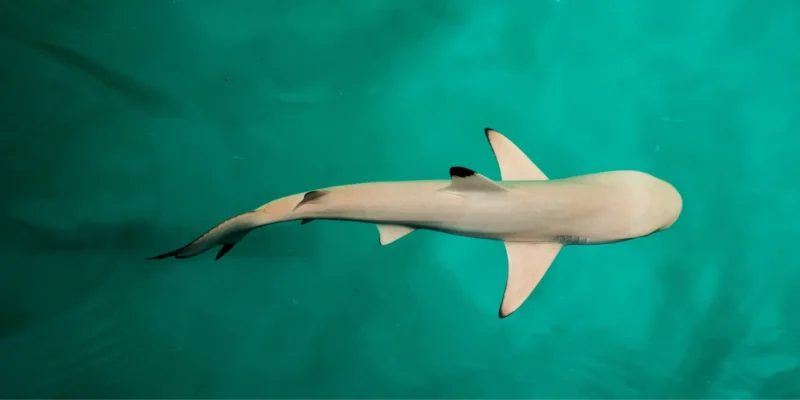
The Maldives, one of the most popular luxury travel and top diving destinations in the Indian Ocean, are lifting their shark fishing ban in place since 2010. The President’s Office announced on Wednesday, 27 August, that fishing activities would resume under certain conditions. The authorities had previously introduced the ban after revenues from dive tourism surpassed those from shark products. Historically, sharks were, after tuna, the second most important catch for the island nation with around half a million inhabitants.
Turning back the clock: gulper shark fishing to begin in November
President Mohamed Muizzu announced on an atoll north of the capital that gulper shark fishing would reopen in November as part of a “comprehensive management plan”. He described shark fishing as “a significant source of income”.
“Gulper shark fishing will resume in November under a comprehensive management plan.” – President Mohamed Muizzu
Tourism versus fishing: a delicate balance
The complete ban on shark fishing came into force in March 2010, following strict restrictions already in place since 1998. The archipelago consists of 1,192 small coral islands stretching over approximately 800 kilometres along the equator. For the export-oriented economy, tuna remains the most important pillar, but dive tourism is central to jobs and local income.
Criticism from conservationists
The organisation Shark Guardian expressed alarm and warned of damage to the image and consequences for the country, which is heavily dependent on tourism.
“This move is extremely concerning: it undermines the Maldives’ reputation as a global shark sanctuary and jeopardises the long-term health of the tourism-dependent economy.” – Shark Guardian
How strict the announced management plan will be and what conservation measures will apply to endangered species is likely to be crucial in the coming weeks, also in terms of international perception as a safe diving and nature conservation destination.