


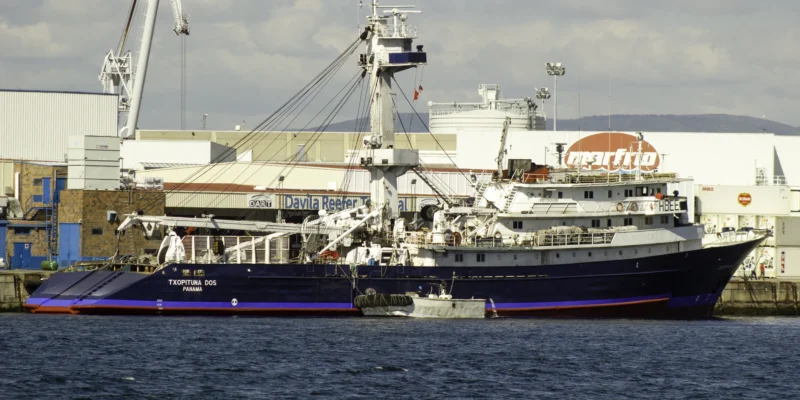
In Panama, researchers, fishers and restaurant businesses are working on several fronts to protect sharks and rays. A Mongabay report describes their collaboration and the gaps in population data and protection measures.
Releasing and studying bycatch
Biologist Yehudi Rodríguez accompanies fishing trips in the Gulf of Panama. Working with crews, she frees animals accidentally caught in purse-seine nets. When their condition permits, she records their species, measurements and capture location, collects tissue samples and tags them. Animals in immediate danger are released straight away. Fishers also learn to carry out rescues themselves.
Protection bill still under discussion
According to the report of September 14, 2026, lawmakers are also discussing a bill that would, among other measures, ban targeted fishing for sharks and rays. Rodríguez calls for reliable data and rules that account for fishing gear, areas and seasons. The proposals described have therefore not yet become law.
Ceviche with verifiable ingredients
MarViva’s Ceviche Libre de Tiburón label addresses demand. It certifies fish ceviche made without shark or ray meat or other fish species that MarViva lists as not recommended for consumption. The standard requires businesses to identify the species they use and operate a verification programme.
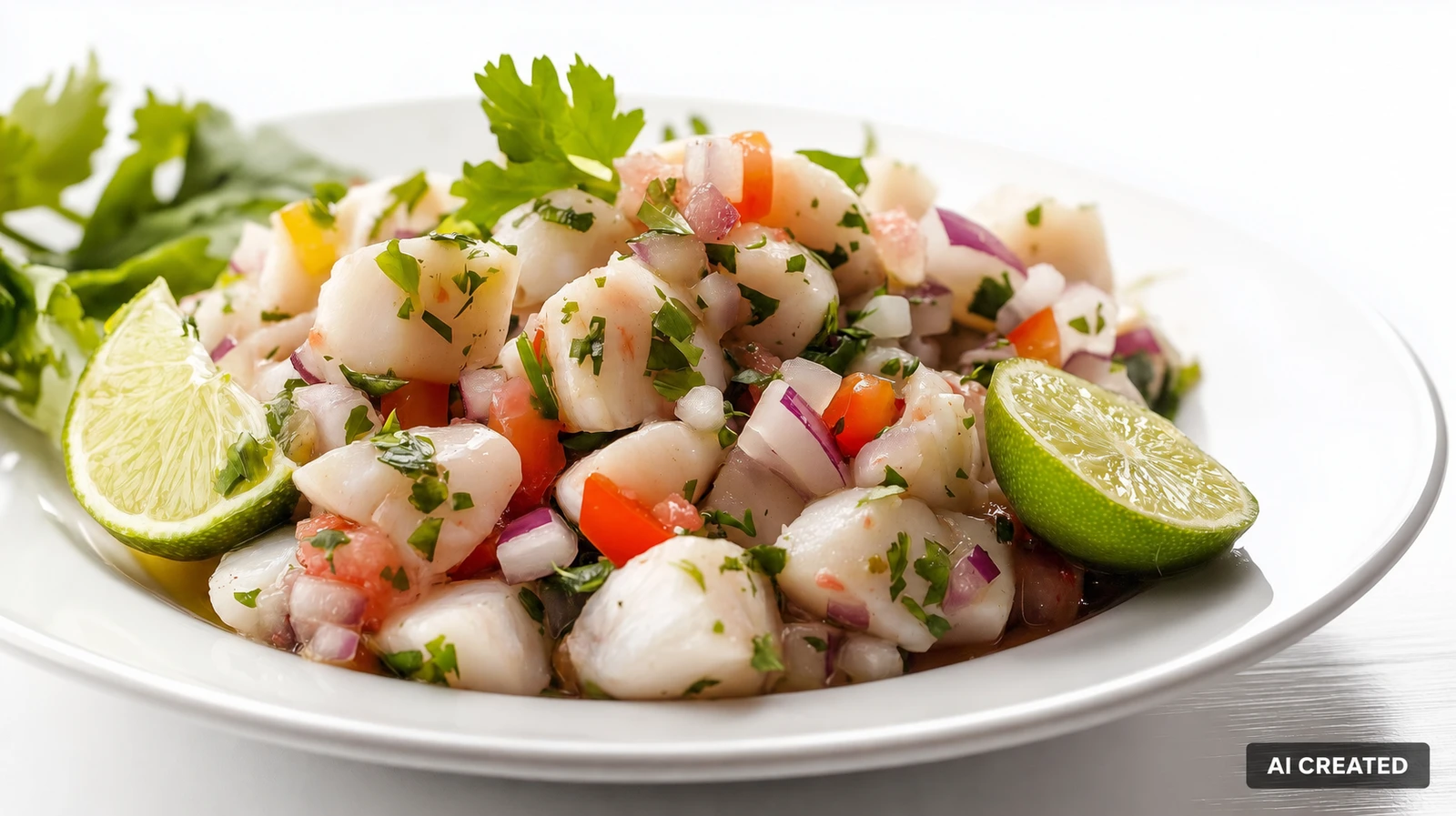
Other requirements cover compliance with trade rules, a company environmental policy and information for staff and customers. The label applies to the certified ceviche product. It gives diners a practical guide when choosing their food and connects a business’s recipe with documented purchasing and checking procedures.
Trade also needs controls
A previously documented case shows why checks along the supply chain remain necessary: we reported on 109 confiscated sacks of shark fins that were to be shipped from Panama to Malaysia. Research on board, verifiable ingredients and export controls address different stages of the same supply chain.