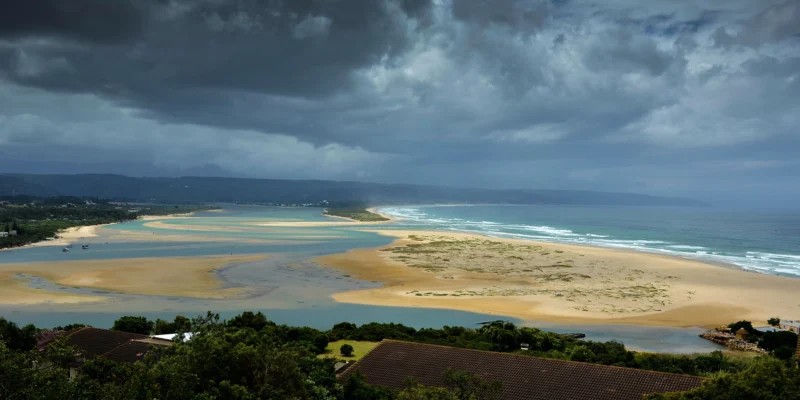
On the beaches of Plettenberg Bay in South Africa, the special shark early warning system is currently out of operation. As The Herald reports, Plett Shark Spotters operations were suspended on July 1, 2026. Since then, the trained observers have not been on duty along the monitored stretches of coast.
The interruption is not an indication of a current shark attack nor is it a response to an individual sighting. The trigger is a non-renewed agreement between the Shark Spotters organization and the Bitou Municipality. Negotiations are continuing and a new arrangement has not yet been finalized.
Why the programme has been paused since July
The previous cooperation agreement expired at the end of June. Without a new agreement, the organization says it lacks both the legal mandate and the funding to continue monitoring the city’s beaches. The programme is therefore suspended, not permanently discontinued.
According to the report, around 2.4 million South African rand is needed annually for operations; most of it goes towards salaries. The Bitou Municipality pledged 800,000 rand. However, there remains a funding gap of just over R1.1 million, which is currently preventing regular operations.
Shark Spotters therefore solicits one-off and recurring donations. The public campaign aims to bring the monitoring service back to the beaches while a new municipal agreement is being negotiated. It was unclear at the time of the report whether and when the service would start again.
Early-warning system at five busy beaches
The Plett programme was established in November 2022 after two fatal incidents involving great white sharks within three months shocked the community. The aim was a non-lethal safety measure: observers search the sea from elevated locations, issue warning signals if necessary and coordinate an orderly evacuation from the water.
Until the suspension, teams operated at The Wreck, Robberg 1, Central Beach, The Wedge and Lookout Beach—generally 365 days a year, provided the weather permitted observation. Robberg 5 was added as an additional location during particularly busy holiday periods.
The concept comes from Cape Town, where Shark Spotters has been working since 2004. It combines direct beach monitoring with information, research and conservation. Unlike nets or fishing gear, the system is designed to warn people early without removing or killing sharks from their habitat in the Indian Ocean.
Jobs and research data are also lost
In Plettenberg Bay, the programme created 14 full-time jobs and training opportunities for people from structurally disadvantaged communities in the Bitou area. The funding gap therefore affects not only the visible warning function on the beach, but also local employment and acquired expertise.
The teams also documented shark sightings and evaluated spatial, seasonal and ecological patterns. Data on other marine megafauna was incorporated into local research projects. The organization worked with CapeNature, Orca Foundation and Rockhopper Fund, among others.
Projects supported included acoustic tagging of bronze whaler sharks and other species. There were also long-term observations of fish diversity and ongoing projects on sharks, rays and dolphins. The suspension also interrupts regular data collection and training opportunities.
What beachgoers should now bear in mind
The fact that the Shark Spotters are absent does not automatically mean that all other safety services have ceased. However, there is no separate early warning system aimed at sharks. Beach visitors should therefore pay particular attention to lifeguards, flags, signs and instructions from local authorities.
The report recommends only swimming at patrolled beaches and leaving the water immediately if there is a warning. Twilight, night, poor visibility and the time after heavy rain are unfavourable. Large schools of fish, seals or diving seabirds can also indicate that potential prey is concentrated in an area.
Anyone who sees a shark should leave the water calmly and without splashing around, inform other people and follow the instructions of the rescue services. Swimming in a group is safer than venturing far offshore alone. Such advice reduces risks, but does not replace professional observation from land.
A funding crisis, not a biological trend
Neither an increase nor a decrease in shark numbers off Plettenberg Bay can be inferred from the suspension. It describes an institutional and financial gap, not a biological trend. Even the regular sightings mentioned in the report are not sufficient to draw conclusions about population changes without comparable long-term data.
The next steps now depend on a new agreement, reliable financing and the outcome of the fundraising campaign. Pending resumption, Plettenberg Bay lacks a service that combines beach safety, non-lethal shark management, research and local employment into a single programme.